Decks Overlooking Stunning Views: Design Tips for Scenic Spots
Crafting decks in picturesque locations brings distinctive considerations and possibilities. Deliberate positioning can elevate natural light and views. Identifying materials and layouts that harmonize with the environment is essential. Privacy concerns often arise, calling for intentional privacy screening. Together, these factors create a welcoming and practical outdoor environment. Understanding these factors can elevate the overall experience. What specific considerations should one keep in mind for optimal construction?
Typical Obstacles in Deck Design
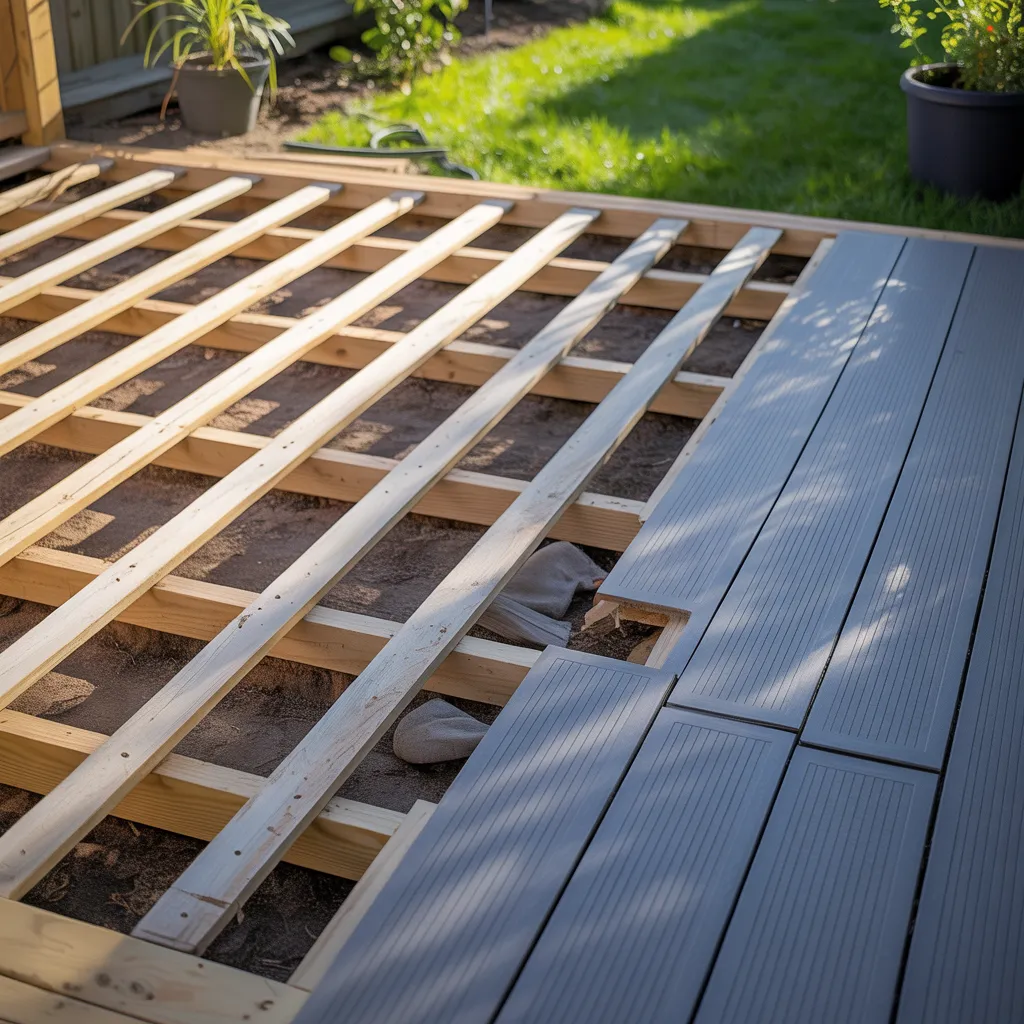
Designing beautiful decks often presents several common challenges that can affect the process. One significant issue is the terrain; sloped land can disrupt the structural support, demanding supplementary design approaches. Furthermore, the surrounding environment must be factored in, such as native flora and fauna, which can influence both visual appeal and performance. Environmental weather patterns also present difficulties; decks in regions experiencing harsh weather or significant precipitation require detailed consideration to secure structural integrity and protection.
Another obstacle involves regional building ordinances and zoning requirements, which can place constraints on deck size, height, or materials. These rules can constrain design choices and necessitate careful study before beginning the project. Lastly, achieving harmony between aesthetics and practicality can prove demanding, as design professionals seek to build visually stunning areas while guaranteeing they remain usable and accessible. Tackling these difficulties calls for strategic planning and inventive problem-solving.
Choosing the Right Materials for Your Deck
Picking the ideal materials for a deck is crucial, as it significantly impacts both the deck's durability and visual appeal. Homebuilders often evaluate options such as metal, wood, and composite. Solid wood provides charm and beauty but needs consistent upkeep to protect against weathering and wear. Alternatively, composite options provide strength and ease of care, resisting fading and weather damage, rendering them an appealing solution for beautiful outdoor environments.
Metallic materials, including aluminum, are celebrated for their strength and resistance to rust, perfect for oceanfront settings. Every material offers unique benefits, and the decision should be guided by the weather conditions, preferred upkeep requirements, and broader aesthetic goals. Furthermore, sustainable materials are rising in demand, drawing interest from green-minded consumers. In the end, the preferred materials must complement the existing environment while complementing the home's architectural style, ensuring a cohesive and inviting outdoor space.
Maximize Your Deck Design for Scenic Views
To design a visually impressive deck, thoughtful attention to layout is crucial. Strategic positioning, elevation, and furniture arrangement can significantly improve the complete experience by making the most of scenic views. By concentrating on these aspects, one can turn an ordinary deck into a captivating outdoor retreat.
Positioning for Optimal Impact
Thoughtfully situating a deck can substantially elevate the entire experience, making the most of spectacular scenery and natural illumination. The positioning angle of the deck deserves careful deliberation, confirming it looks out over the most beautiful terrain, be it rolling mountains, serene lakes, or vibrant gardens. Integrating angular layouts can establish distinctive viewpoints, enabling various vantage points free from visual barriers. Additionally, considering the surrounding foliage can help frame the view, adding depth and interest. Situating the deck to harness the sun during golden hours elevates its allure, inspiring continuous outdoor activity from morning to evening. Incorporating elements such as low walls or railings can preserve views while ensuring security. Ultimately, thoughtful positioning transforms a simple deck into an enchanting outdoor retreat, beautifully uniting architectural elements with the surrounding landscape.
Elevation and Perspective Factors
While considering height and viewpoint, a thoughtfully crafted deck can greatly enhance the visual enjoyment. Height serves a critical function in optimizing panoramic vistas; even a modest rise can significantly change sight angles. Decks positioned higher can capture sweeping vistas, while ground-level decks may be hindered by natural features or architectural elements.
Including tiered elements into the deck layout can significantly improve perspectives, enabling varied viewpoints. Positioning the deck at an angle or incorporating overhanging portions can also produce a striking aesthetic effect. Furthermore, aligning the deck's orientation with key landmarks or surrounding natural elements guarantees that the most impressive sights are front and center. Ultimately, careful attention to elevation and viewpoint planning convert an ordinary deck into a captivating observation space, encouraging occupants to embrace the beauty around them.
Arranging Furniture for Views
A strategic furniture arrangement can greatly enhance the overall ambiance on a deck. To make the most of the space, positioning seating in the direction of the finest scenery is key. Selecting low-profile furniture allows for unobstructed sightlines, enhancing the overall visual impact. Arranging furniture in a rounded or arc-shaped formation encourages interaction while keeping the focus on the view. Adding side tables can provide convenience without obstructing the landscape. Incorporating movable furniture offers adaptability, enabling users to reposition seating based on natural lighting shifts or lifestyle needs. Moreover, using decorative pillows and wraps can invite relaxation, creating a warm and hospitable outdoor area. When done thoughtfully, a deliberate arrangement not only optimizes perspectives but also shapes the deck into a cohesive reflection of the encompassing scenery.
Incorporate Comfortable Seating for Relaxation
Developing a stunning deck demands thoughtful consideration of seating options to boost relaxation. Inviting seating plays a fundamental part in transforming an outdoor space into a peaceful retreat. Opting for cushioned lounge chairs, hammocks, or custom benches can encourage guests to stay longer while enjoying the view. The right materials should combine durability with comfort; durable fabrics and robust frames are key to long-lasting performance.
In addition, the layout of seats should foster conversation and connection with the surrounding area. Arranging chairs in intimate groupings can create informative guide an intimate atmosphere, while a lone chaise lounge encourages quiet reflection. Incorporating plush pillows or warm throws lends a welcoming quality, creating a more welcoming atmosphere.
When all is said and done, well-chosen seating choices enhance comfort while also fostering a sense of serenity, permitting individuals to deeply engage with the stunning atmosphere of their deck.
Achieving Privacy and Views Through Strategic Landscaping
To establish a perfect harmony between privacy and scenic views, strategic landscaping becomes vital. Residents can employ trees, shrubs, and ornamental grasses to establish organic screens that guard the deck from outside observation while keeping unobstructed views of the scenery. Choosing appropriate plant varieties is critical; towering evergreens deliver consistent all-year screening, while deciduous trees offer seasonal privacy.
Layering plants adds visual depth and intrigue, allowing homeowners to design sightlines that enhance views without sacrificing seclusion. Furthermore, adding vertical structures such as trellises or lattice panels can more clearly outline space without interrupting the horizon.
Consideration of plant placement is key; positioning foliage at varying heights guarantees that scenic vistas remain visible from the deck. At the end of the day, a thoughtfully conceived landscape design not only boosts privacy but also highlights the breathtaking surroundings, crafting a serene outdoor haven.
Exciting Illumination Tricks to Create the Ideal Ambiance
How does well-chosen lighting convert a deck into a comfortable haven? Thoughtfully chosen lighting can greatly enhance the ambiance, making the space more inviting. Gentle, warm illumination fosters a calm environment, while string lights or lanterns introduce a charming element. Adding dimmable lighting options provides effortless atmosphere control, suiting a range of occasions, from romantic evenings to energetic social events.
Moreover, using layered lighting—including recessed lights, floor lamps, and wall sconces—offers a balance of functionality and visual charm. Solar lights provide a sustainable choice, brightening pathways without the need for wiring. Candles, whether real or LED, bring a warm flickering glow that enriches the beauty of outdoor evenings.
Illuminating architectural features or landscaping with focused lighting can capture attention while adding layers of depth. Ultimately, the right lighting transforms a simple deck into a serene retreat, encouraging relaxation and enjoyment of the surrounding views.
Protecting Your Deck Against the Elements for All-Season Use
While outdoor areas are frequently exposed to the elements, effective weatherproofing can guarantee that a deck remains a comfortable retreat throughout the year. Important methods include opting for resilient materials such as composite decking, which prevents fading and warping. In addition, utilizing a superior sealant can defend wooden surfaces against moisture infiltration and UV deterioration.
Incorporating drainage systems is vital; well-planned slope design and gutter systems help channel water away from the deck. Employing all-weather furniture and cushions also elevates the space, providing comfort no matter the season.
Installing a pergola or awning offers shade on hot summer days while supplying cover from light rain. Moreover, investing in outdoor heaters or a fire pit produces warmth on chilly evenings, extending usability into colder months. By applying these weatherproofing methods, homeowners can make the most of their scenic decks year-round, maximizing both beauty and functionality.
Caring for Your Deck to Ensure Long-Term Beauty
Maintaining a deck necessitates regular attention to preserve its aesthetic and structural integrity over time. Regular checkups should be performed to identify signs of damage, such as loose boards, rusted hardware, or cracked timber. Regularly washing the surface with a gentle detergent and a gentle scrubbing brush aids in eliminating debris and stopping mold growth.
Sealing or staining the deck every few years shields the wood from moisture and UV exposure, ensuring longevity. You should also check for proper drainage to prevent water from pooling, as this can cause structural deterioration.
Additionally, maintaining trimmed surrounding vegetation keeps leaves and debris from collecting on the deck. By faithfully completing these maintenance tasks, homeowners can improve their deck's durability, confirming it endures as a beautiful and functional space for years to come. This preventative approach not only protects the deck's visual appeal but also protects the investment made in the scenic outdoor space.
Common Questions and Answers
What Is the Best Way to Choose the Right Location for My Deck?
To determine the best spot for a deck, you should evaluate factors such as sun exposure, privacy, proximity to the house, wind patterns, and the surrounding landscape to optimize both functionality and aesthetic appeal.
What Are the Best Times of Year for Deck Construction?
The best times for building a deck are typically the spring and early fall seasons. These times of year provide mild weather, reducing the risk of delays caused by extreme temperatures or precipitation, ensuring ideal conditions for the building process and proper material installation.
Can I Build a Deck on a Sloped Area?
Yes, building a deck on a uneven surface is achievable. Thorough planning and solid structural support are necessary to secure stability and safety. Working with a professional can assist in addressing the challenges that come with sloped construction.
What Permits Are Needed for Deck Construction?
Before constructing a deck, it is commonly necessary to obtain a building permit, zoning authorization, and potentially ecological permits, according to regional guidelines. Speaking with local officials guarantees compliance with municipal codes, safety protocols, and property standards.
How Do I Integrate My Deck With Existing Outdoor Features?
To incorporate a deck with existing outdoor features, one should assess landscaping, alignment, and materials. Creating fluid changes, employing coordinating colors, and elevating nearby elements can encourage harmony and elevate the overall aesthetic quality.